Crossover Talks Series

From PoC to Governed Deployment: Profet AI and Partners Spotlight Agentic AI as It Moves into Enterprise Operations​

From PoC to Governed Deployment: Profet AI and Partners Spotlight Agentic AI as It Moves into Enterprise Operations
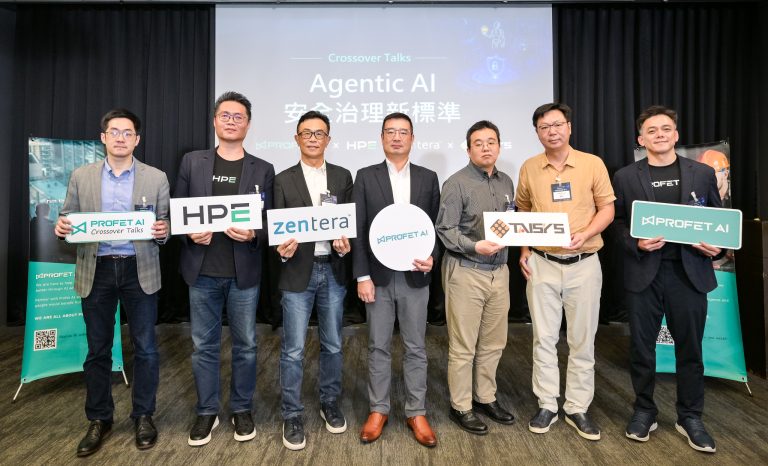
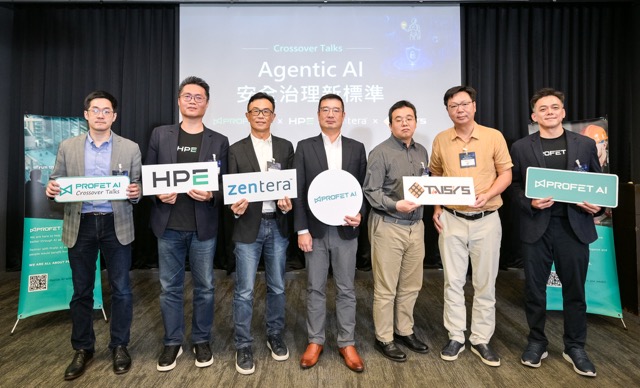
Profet AI hosts Crossover Talks in Hsinchu with Taisys, Zentera Systems, and HPE to explore security governance architecture for Agentic AI

As AI evolves from answering questions to acting as AI Agents that can read data, invoke tools, connect systems, and execute tasks, enterprises are facing a new level of cybersecurity and governance challenge.

In the past, enterprise security largely focused on accounts, endpoints, and system boundaries. With Agentic AI, risks may come from a document, an email, a seemingly normal instruction, or an AI Agent granted excessive privileges. For enterprises, the question is no longer only whether AI answers accurately, but whether it can be securely authorized, controlled in real time, fully traced, and audited.

As AI moves from model capability toward operational capability, enterprises are paying closer attention to whether AI can enter business processes under controllable, manageable, and auditable conditions. This is especially critical for semiconductor companies, high-tech manufacturers, and organizations managing sensitive data, process expertise, and mission-critical know-how. For these enterprises, the next priority is not only making AI usable, but making it trusted.

To address this shift, Profet AI hosted “Crossover Talks: A New Standard for Agentic AI Security and Governance” in Hsinchu on May 14, together with TAISYS Technologies(Taisys) , Zentera Systems, and Hewlett Packard Enterprise (HPE). The event explored how enterprises can build stronger security boundaries and governance mechanisms for Agentic AI across platform governance, identity verification, zero trust architecture, and enterprise-grade infrastructure.

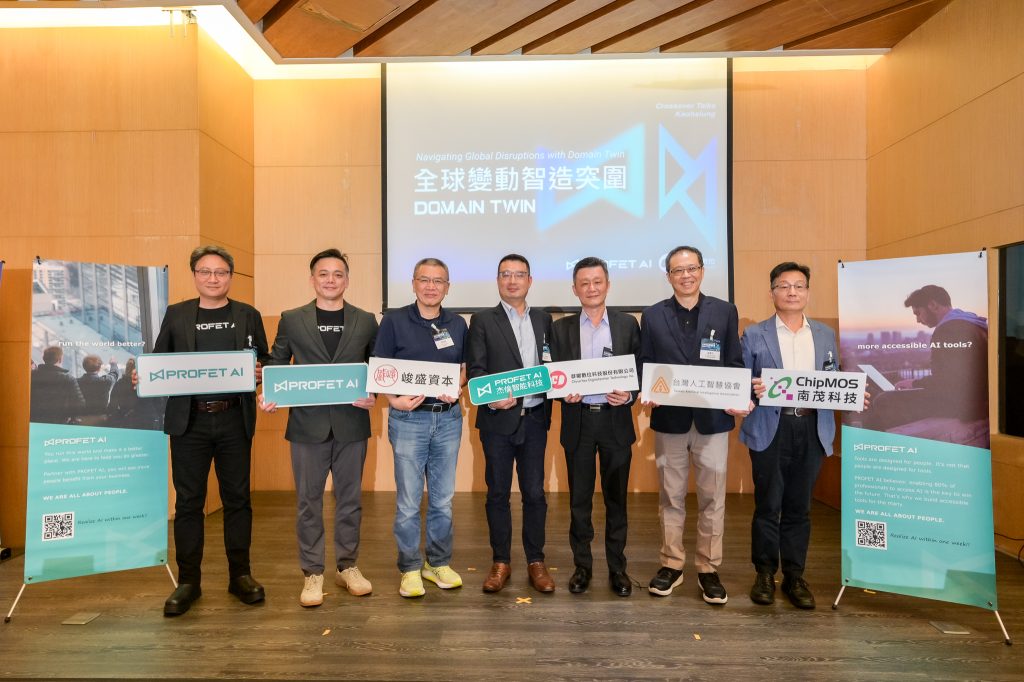
From left: Jonathan Yu, General Manager of Global Sales, Profet AI; Andy Hu, Senior Sales Manager of Compute & Digital Sales, HPE Taiwan; Jeff Tsai, Taiwan Country Manager, Zentera Systems; Jerry Huang, CEO, Profet AI; Jonathan Wu, Manager of Solution Consultant Dept., Taisys; Jun-Hsin Ho, Chairman, Taisys; and James Yang, Special Assistant to CEO, Profet AI.

Jerry Huang, CEO and Co-founder of Profet AI, said:

“The next challenge for enterprises is no longer simply whether they can build AI models. It is whether they can start from their own domain and turn data, processes, and frontline know-how into AI capabilities that truly belong to the enterprise and can be continuously governed. For manufacturers, the key to bringing AI into operations now comes back to governance, control, and knowledge retention.”

Jerry also noted that manufacturing hubs such as Taiwan and Japan are facing the retirement of experienced talent and the risk of knowledge loss. If enterprises do not systematically capture frontline expertise early, they will face greater challenges in process optimization, quality management, and cross-site replication. This is also why Profet AI continues to advance Domain Twin™ — helping enterprises transform know-how scattered across people, equipment, and processes into AI assets that can be retained, amplified, and replicated.

From Standalone Tools to Governance Architecture

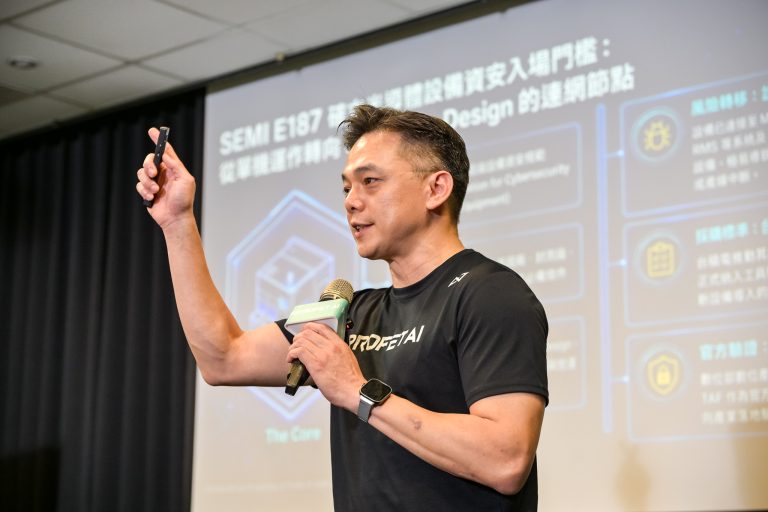
James Yang, Special Assistant to CEO at Profet AI, opened his session from the perspective of semiconductor equipment cybersecurity governance. He emphasized that as AI Agents increasingly interact with enterprise systems, equipment, and workflows, companies must look beyond the security of a single model or tool and assess whether the overall AI execution environment is controllable, manageable, and auditable.

James pointed out that the SEMI E187 semiconductor equipment cybersecurity standard, which emphasizes “security by design,” reflects the industry’s focus on equipment security, identity authentication, network segmentation, and operational auditing. In the era of Agentic AI, enterprises need to build governance architecture across the equipment, network, platform, and identity layers to support large-scale AI Agent deployment.

Without consistent identity authentication, permission control, and audit mechanisms, AI tools introduced to improve efficiency may create new risks, including data leakage, incorrect operations, and privilege abuse.

At the platform level, James noted that as internal AI tools, edge AI applications, and agentic tools increase, enterprises need a unified control platform to centrally manage models, tools, knowledge, permissions, and execution records. This allows companies to understand which AI Agents are operating, which systems they are connected to, what data and tools they are using, and whether external skill modules have passed security checks.

James Yang, Special Assistant to CEO at Profet AI, shares insights on Agentic AI trends and enterprise requirements.

Closing the Governance Gaps: From Identity to Network

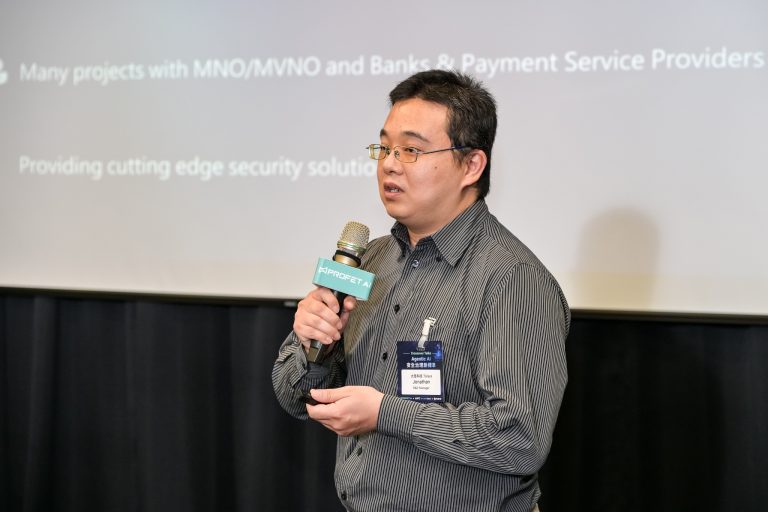
From the identity authentication perspective, Jonathan Wu, Manager of Solution Consultant Dept. at Taisys, explained that when AI Agents access systems, execute tasks, or conduct transactions on behalf of users, enterprises must clearly distinguish between human identity and agent identity.

Jonathan emphasized the need for human-in-the-loop authorization. By leveraging identity verification methods based on telecom networks and SIM security mechanisms, enterprises can preserve a final human confirmation point before AI performs critical actions, reducing the risk of misjudgment or unauthorized execution.

Jonathan Wu, Manager of Solution Consultant Dept. at Taisys, shares insights on identity mechanisms for AI Agents.

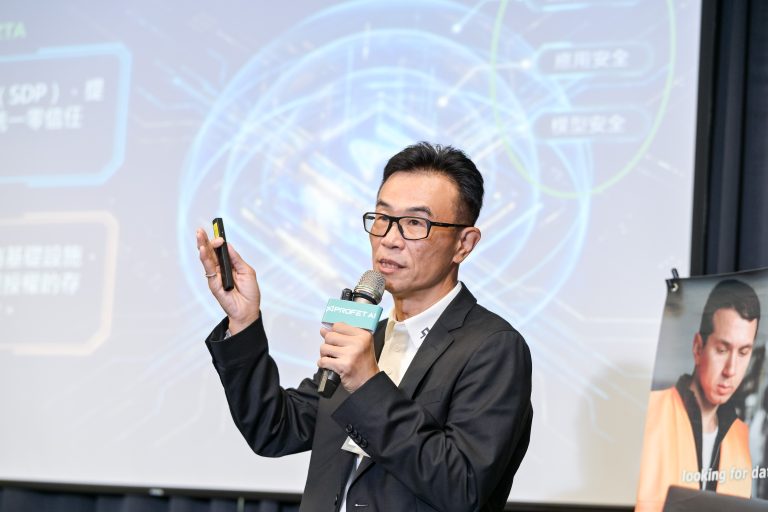
From the network governance perspective, Jeff Tsai, Taiwan Country Manager at Zentera Systems, said:

“As AI moves from an assistant tool to a digital worker, enterprises must look beyond functionality. They also need isolation, detection, and traceability. Only by building a controllable network governance architecture can enterprises advance Agentic AI while reducing the risks of uncontrolled behavior and unauthorized access.”

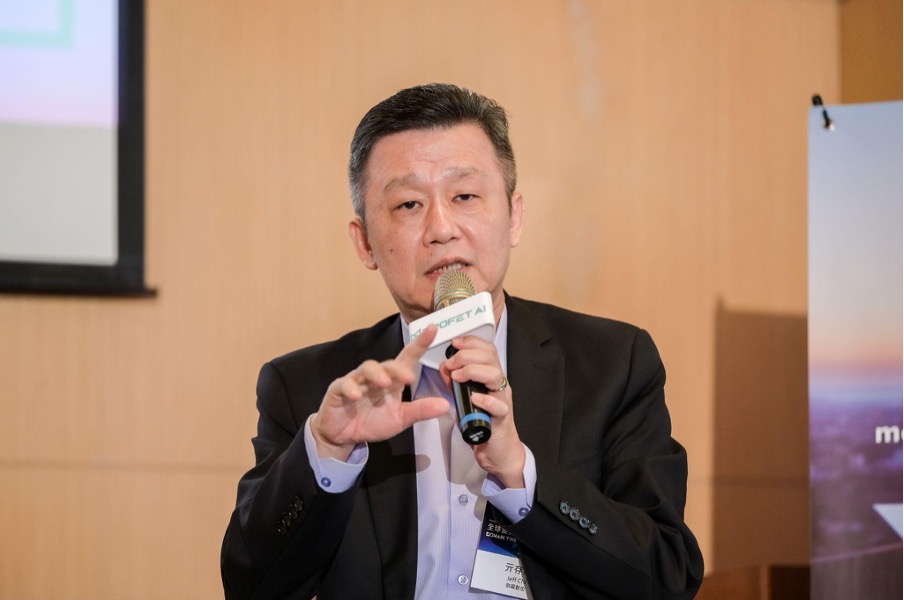
Jeff Tsai, Taiwan Country Manager at Zentera Systems, shares insights on zero trust architecture governance for Agentic AI.

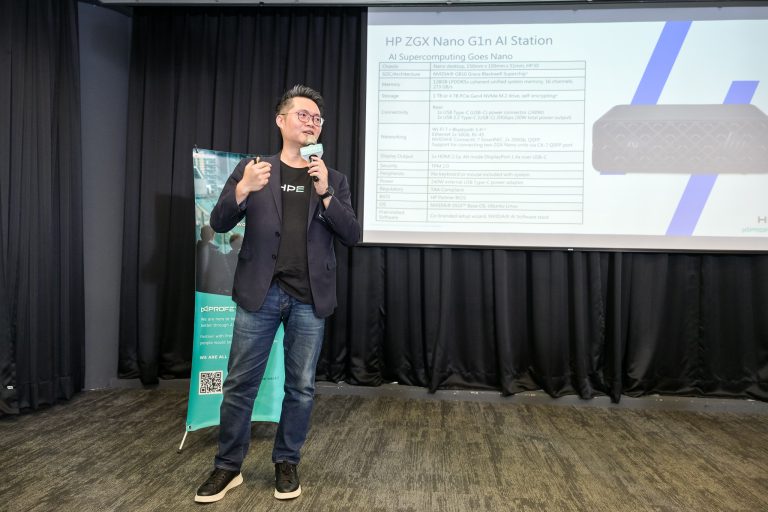
From the infrastructure perspective, Andy Hu, Senior Sales Manager of Compute & Digital Sales at HPE Taiwan, shared that as Agentic AI enters enterprise workflows, companies must evaluate not only application functions and governance mechanisms, but also the computing resources, deployment architecture, and management model behind them.

Andy Hu, Senior Sales Manager of Compute & Digital Sales at HPE Taiwan, shares perspectives on enterprise-grade computing and deployment environments.

For high-tech manufacturers, AI applications can move toward stable, manageable, long-term operations only when platform, network, and infrastructure layers are designed to work together.

Jonathan Yu, General Manager of Global Sales at Profet AI, concluded the event with the idea that “integration wins.” Jonathan noted that enterprises adopting Agentic AI should not focus only on individual tools, but build an integrated architecture across identity, platform, network, and infrastructure.

For manufacturers, the next question is no longer whether to adopt AI, but how to build the governance maturity required for AI to move beyond PoC and enter enterprise operations and decision-making. The next stage of Agentic AI is not simply about deploying more agents, but about building a manageable, replicable, and continuously evolving governance foundation that turns AI into a trusted operational capability.

To learn more about how to build controllable, manageable, and auditable AI governance capabilities, please fill out the form below and our team will get in touch with you.

From PoC to Governed Deployment: Profet AI and Partners Spotlight Agentic AI as It Moves into Enterprise Operations​ Read More »

Crossover Talks Kaohsiung:Navigating Global Disruption with Domain Twin

Crossover Talks Kaohsiung:Navigating Global Disruption with Domain Twin

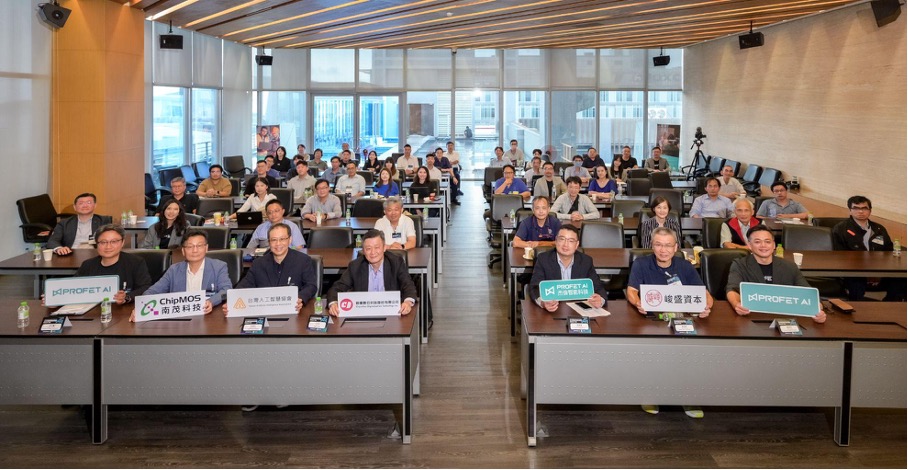
Profet AI joined forces with Chunyao Digital to co-host our Crossover Talks in Kaohsiung. Themed “Navigating Global Disruption with Domain Twin, the event explored structural challenges facing enterprises and proposed strategic AI-driven solutions amid global industrial shifts, where manufacturing is grappling with tariff uncertainties, geopolitical risks, talent mobility, and supply chain restructuring.

We invited manufacturing industry leaders, including former Innolux CIO Dr. Howard Hsieh, former Yageo CEO David Huang, ChipMOS Technology consultant Michael Wang, and Chunyao Digital General Manager Jeff Chi, who shared insights on overseas plant setup, technology transfer, organizational collaboration, and knowledge inheritance, highlighting how AI and the Domain Twin concept can help navigate disruptions and build sustainable advantages in smart manufacturing.

Group Photo with Event Attendees

From Expertise to Scalable Process: A Practical Path for AI in Manufacturing

In his opening remarks, Profet AI CEO and Co-Founder Jerry Huang noted that while the potential of AI is widely recognized, few truly know how to implement it. With rising tariffs and volatile exchange rates adding pressure, manufacturers are seeking breakthroughs through AI. Yet gaps in understanding, from leadership to frontline staff, often leave projects stalled at the slogan stage. James, Executive Assistant to the CEO, added that global trade shifts and “Trump tariffs” are prompting companies to consider relocating production to the U.S. or ASEAN, but data security risks, talent shortages, and the need for rapid operational ramp-up remain major hurdles.

Many manufacturers have advanced in digitalization, ERP/MES adoption, and automation, but James emphasized that the human factor is still critical. As experienced workers become scarce due to demographic and labor shifts, AI is emerging as a key enabler of transformation. Profet AI’s five modules: the Resilience Management Framework, AutoML Platform, AILM Platform, AI Studio, and AI Thinking Workshop can help companies turn strategy into execution, accelerate knowledge transfer, and scale AI applications to optimize the entire process from R&D to production.

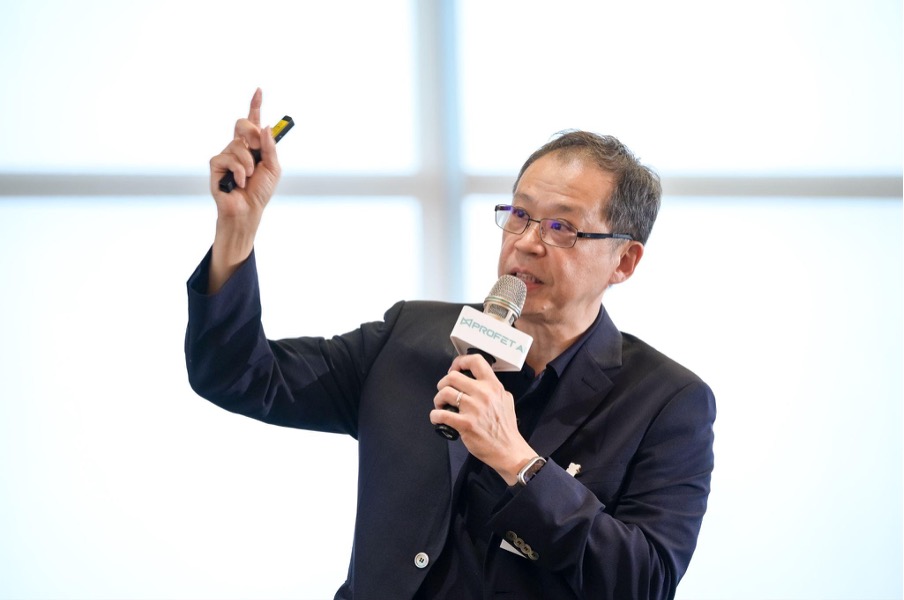
Former Innolux CIO Dr. Howard Hsieh shared his experiences in digital transformation.

Innolux 4.0: The Three Pillars of Industrial Digital Transformation

Drawing on his years of frontline manufacturing experience, former Innolux CIO Dr Howard Hsieh shared insights from leading the company’s “Innolux 4.0” initiative. He emphasized that true digital transformation goes beyond technology adoption and requires reshaping both management capability and talent capability, all starting with determination. He noted that a culture of continuous improvement is the ultimate goal. For smart manufacturing, Howard outlined three pillars: Culture (breaking silos and fostering connections), Methodology (combining shop floor observation with data), and Technology. Research from the Artificial Intelligence Foundation shows that over 70% of Taiwan’s manufacturers are stuck at the third of four AI adoption stages, able to run projects but unable to scale them company-wide.


Howard believes companies do not need to wait until every condition is met before starting large-scale transformation. Instead, they should begin with an AI diagnosis. “Using AI for diagnosis is the starting point of continuous improvement,” he said. The strategy of “starting small, optimizing step by step, and then expanding” is, in his view, the key to unlocking AI’s true value.

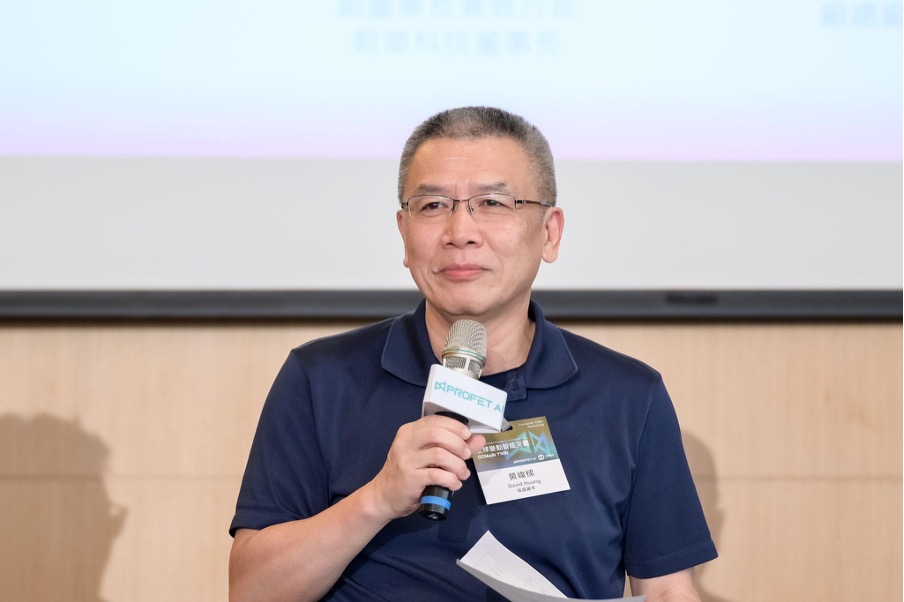
Former Yageo CEO David Huang urges using resilience and AI to seize opportunities.

Strategic Outlook and Time Management: Keys to Thriving Beyond Technology

David Huang, former CEO of Yageo and now Founder of Jensen Capital, reflected on past financial crises, highlighting the impact of exchange rate fluctuations on profitability and the importance of turning crises into opportunities. He recommended reserving one-third of the budget for unpredictable risks such as tariff changes or currency swings to strengthen financial resilience.

He noted that Taiwan’s manufacturing sector should leverage its strong industrial base to move AI from Preventive Maintenance to Prediction, integrating it with domain expertise. The real gap, he said, is the shortage of “Domain Agents” who can develop and transfer specialized knowledge. Facing global uncertainty, companies should anticipate multiple scenarios and plan ahead for talent and facility redeployment, ensuring readiness during supply chain shifts.

Michael, former Innolux head of automation, shared challenges in overseas factory setup.

The Hidden Challenges of Overseas Factory Setup: Replicating Operations and Talent

Michael, now a consultant at ChipMOS Technology, shared the challenges he faced while leading overseas factory setups as Chief Plant Manager for Greater China at Innolux. Recalling his first relocation project over 30 years ago in China, he described hurdles such as equipment power differences, maintenance issues, and language and cultural gaps, which made SOPs hard to enforce and required hands-on training for local staff. As labor costs rose, he successfully drove automation, reducing the workforce from 6,000 to just 200 employees.


He emphasized that the push for AI and automation often encounters internal resistance, including doubts over ROI, difficulty in quantifying benefits, and reluctance to change. Michael believes that “the key to driving reform is the determination that as long as it doesn’t kill me, I will keep going.” He urged companies to focus on long-term operational efficiency and knowledge accumulation, as the value gained over time far outweighs short-term returns.

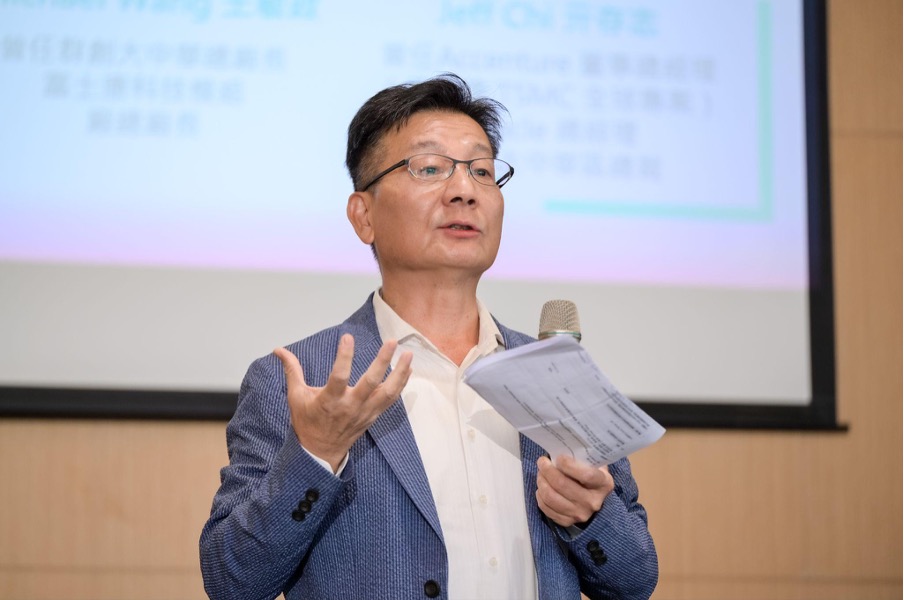
Jeff, GM of Chunyao Digital, urged early adoption of domain-driven AI to boost supply chains.

Data-Driven Supply Chain Upgrades: AI as the New Standard for Enterprises

At the forum, Jeff Chi, General Manager of Chunyao Digital, noted that enterprise management is a continuous process of transformation, requiring stronger data integration and collaboration to enhance supply chain resilience and adaptability. “AI accuracy can already reach 95%, but for multi-agent systems, enterprises demand even higher precision. Reliable AI must combine industry domain knowledge with reproducibility and controllability,” he said.

In the digital economy era, AI is already as important as, if not more critical than, traditional MES systems. With AI technology advancing rapidly, he strongly advised companies to plan their AI adoption timelines as early as possible, treating data and knowledge management as core assets. This approach not only boosts efficiency but also protects valuable expertise from being lost due to employee turnover, helping secure long-term competitiveness.

Learn how AI helps manufacturers navigate global disruption. Fill out the form to get event highlights, case studies, and transformation strategies from industry leaders.

Crossover Talks Kaohsiung:Navigating Global Disruption with Domain Twin Read More »
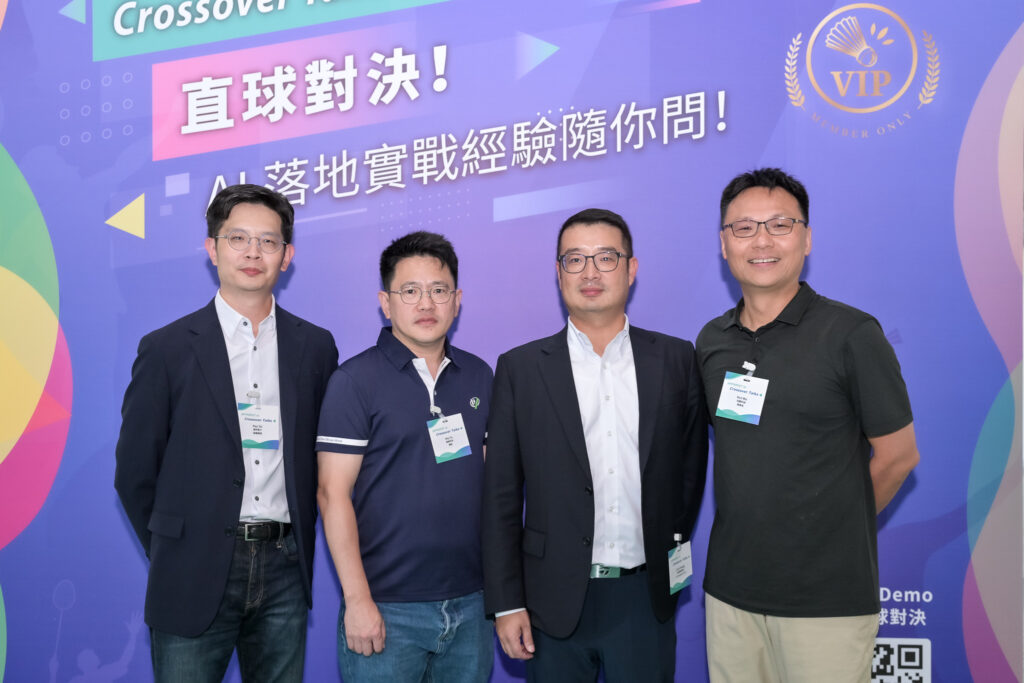
Guests at Profet AI Crossover Talks

Wiwynn Reduces Labor Costs in Component Pricing with AI; Mighty Electronics Achieves New Production Efficiency Using AutoML Platform

Global Server Leader Fosters an “All-in AI Culture” through AI-ML Thinking Workshops; User-Friendly AI Empowers a 30-Year SMT Veteran to Successfully Transform into a Hardware Innovation Hub
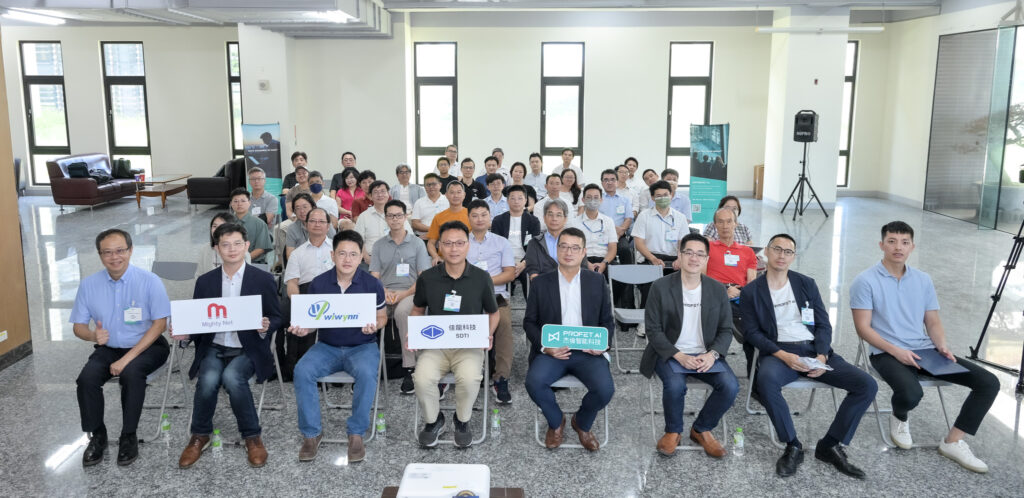
Guests of Crossover Talks EMS

The adoption of AI applications in enterprises is already underway in Taiwan. The most pressing issue is how to leverage various resources to empower employees quickly and establish an internal AI culture.

Profet AI, recognized as one of the Top 100 Startups of 2024 and deeply rooted in the AI software market for manufacturing, recently hosted a dedicated Crossover Talks EMS event titled “Straight Talk! Ask Us Anything About Real-World AI Implementation Experiences!” The event featured experts from industries such as Wiwynn, a global leader in cloud servers; Mighty Electronics, a renowned EMS brand with 30 years of experience; and Super Dragon, Taiwan’s first publicly listed environmental technology company.

These industry leaders shared their comprehensive journeys from initial AI adoption to subsequent promotion, offering authentic insights to the audience. Through practical case studies and a live Q&A session, attendees gained a deeper understanding of the challenges in promoting AI within the industry and sparked ideas for further innovative AI applications.
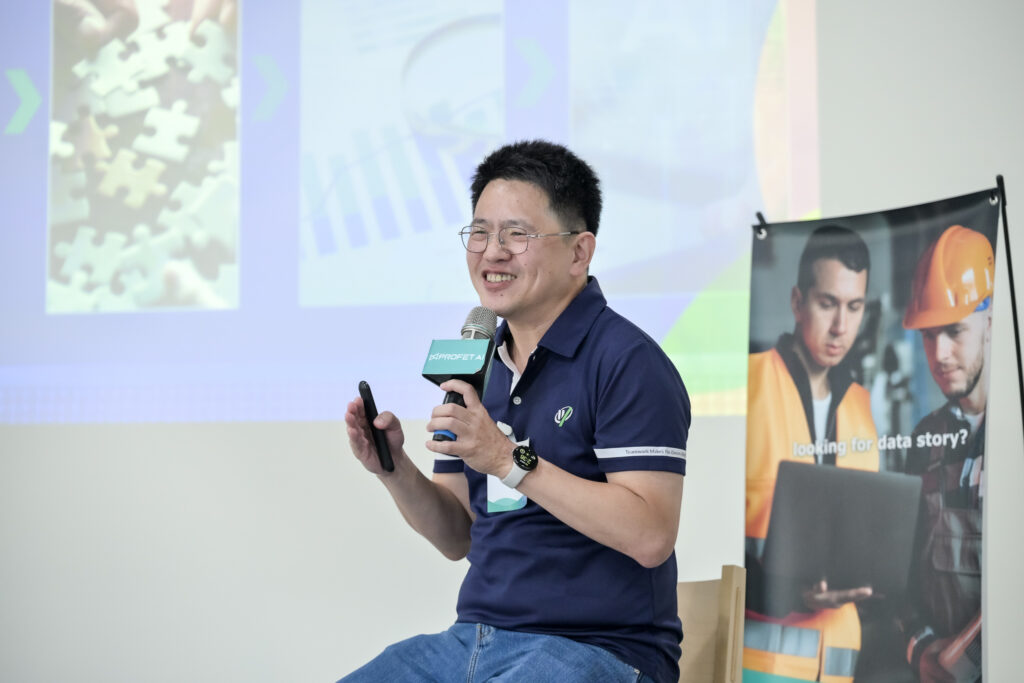
Comprehensive Team Engagement: Wiwynn Boosts Talent Quality through AI Machine Learning Workshops
Dr. Bey Yu, Director of Information and Digital Technology at Wiwynn, Shares Insights on AI Adoption

Dr. Bey Yu, Director of Information and Digital Technology at Wiwynn, shared the company’s motivations and strategies for AI adoption. He emphasized that Wiwynn’s core principle is “strategy from the top down, execution from the bottom up.” He highlighted that promoting AI should start small and gradually expand across the organization by connecting AI teams horizontally, ultimately integrating it into the company culture.

Dr. Yu mentioned that the rise of generative AI in 2022 spurred Wiwynn to actively pursue a company-wide AI initiative. To achieve this goal swiftly, the company chairman personally oversaw the effort, mobilizing all departments and establishing a Center of Excellence (CoE) as a dedicated team for AI promotion while seeking external collaborations.

Being a key player in NVIDIA’s supply chain, Wiwynn collaborated closely with Profet AI to accelerate AI technology adoption. Wiwynn valued Profet AI’s extensive expertise in the manufacturing industry and decided to partner with them. Profet AI’s experienced consulting team and industry-specific AI implementation methodologies guided Wiwynn’s team in brainstorming actionable AI topics. Over a four-month AI workshop, nearly 100 domain experts across different teams built close to 800 predictive models and successfully generated nearly 30 AI topics.

While simultaneously validating the feasibility of these AI topics, Wiwynn successfully established a culture of AI engagement, enabling non-IT employees to use data-driven thinking to improve their current work processes. Dr. Yu shared that many successful topics were related to cost estimation. Previously, the component pricing process required over 20 personnel; now, with AI effectively leveraging historical data, they can quickly build models and provide quotes on demand, significantly enhancing operational efficiency.

Another beneficial topic was the optimization of experimental parameters in the R&D department. Engineers used to spend an entire day on repetitive tests, but now AI suggests optimal parameters, greatly reducing experimental costs. Dr. Yu emphasized that the key to AI adoption is not just short-term ROI but also improving employee quality, reinforcing the importance of data, and shifting mindsets, thereby forming a culture that serves as the foundational strategy for long-term AI promotion.
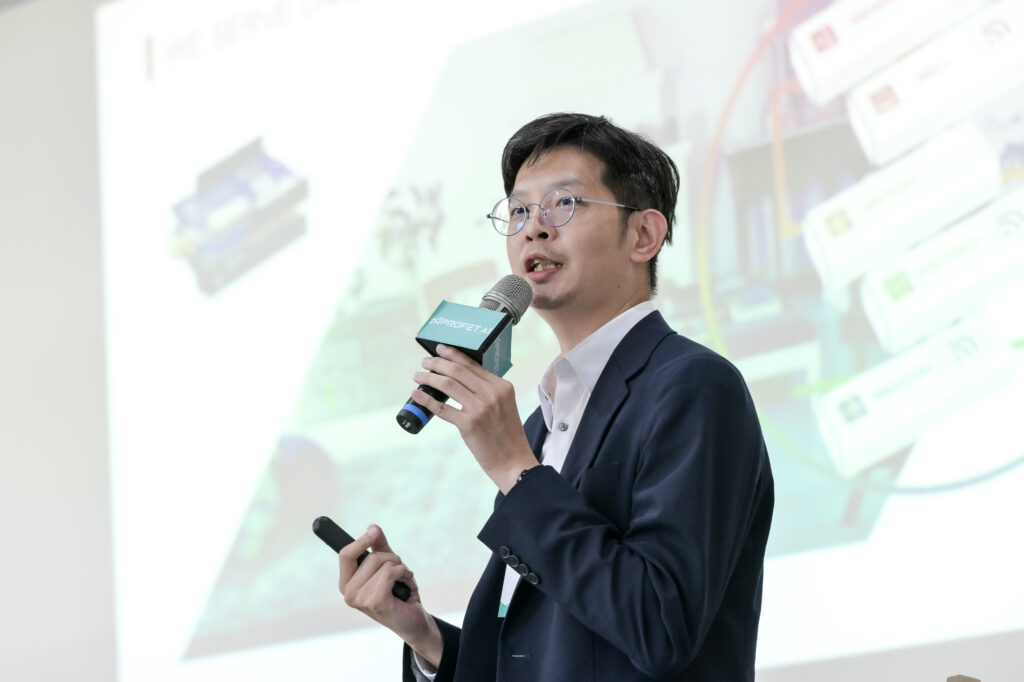
A Champion of Hardware Innovation: Mighty Electronics Expands Its AI Culture from Point to Area
Ray Tai, Vice President of Mighty Electronics and CEO of Mighty Innovation, Shares Real-World AI Implementation Experiences

Ray Tai, Vice President of Mighty Electronics and CEO of Mighty Net, shared the company’s real-world experiences with AI adoption. He recalled how, under the guidance of consultants, the company began experimenting with AI in 2019, starting with small-scale applications and gradually expanding to automated deployments, helping employees transform their thinking patterns.

When the pandemic suddenly broke out, significant adjustments to personnel arrangements were necessary, prompting the company to embark on a series of digital transformations. Tai personally led the initial push for digitization, helping employees transition from paper-based operations to automation. He pointed out that the biggest challenge in digital transformation is changing habits, so it’s crucial to lower the barriers to entry.

The simplicity and user-friendliness of Profet AI’s tools have been the primary reason for their ongoing collaboration since 2019. In the initial phase of transformation, Tai aimed to first address supply chain-related pain points, selecting employees with a stronger data mindset as the first batch of seed members, and then gradually expanding AI data thinking to other operational departments.

Tai mentioned that the greatest benefit of AI adoption has been enabling employees to gradually establish a data-driven mindset. He cited an example of transitioning from “manually recording lunch orders” to “scanning QR codes to order meals.” While this shift in daily habits may seem minor, it gradually establishes an internal AI culture, preparing every domain expert for the best transformation and upgrade.

Beyond building a habit of data thinking, AI has also helped the Mitec team uncover new key factors that had previously gone unnoticed. For example, when addressing issues with SPI printers, the lack of effective data initially hindered model performance. However, by involving on-site personnel directly in the AI modeling process, they identified unexpected key factors, effectively improving data collection quality and model performance. These outcomes, from starting at a single point to laying a foundation for expanding to broader applications, reflect the company’s commitment to digital and AI transformation, paving the way for a solid future in comprehensive AI applications.
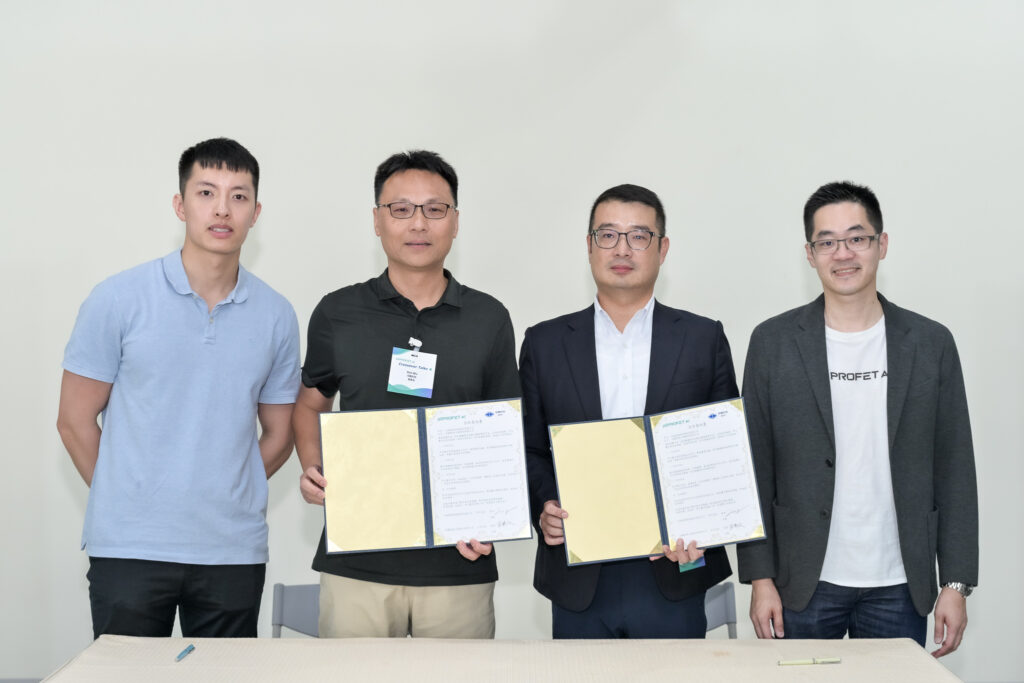
Strategic Partnership with Super Dragon: Deepening Smart Applications in Renewable Energy and ESG
Profet AI and Super Dragon Formalize Partnership

Profet AI and Super Dragon formalized a partnership at the forum, committing to jointly advancing smart applications in areas ranging from waste management to renewable energy. Super Dragon President Ken Wu also shared how the company integrates storage technologies for renewable energies such as solar and wind, as well as virtual power plants and other smart applications, and plans to incorporate more AI technologies to create a more comprehensive renewable energy service system. President Wu noted that these innovative applications are not only Super Dragon’s proactive exploration in the ESG field but also represent a smarter future development path for the industry.

This Crossover Talks event provided a platform for in-depth exchanges of practical experiences in the EMS industry. Through on-site discussions and field visits, participants gained a more intuitive understanding of AI and ESG initiatives’ specific applications in the industry. Profet AI will continue this series of events, bringing more practical cases and expert insights to the industry, exploring the limitless possibilities that AI brings to industrial upgrading.

Wiwynn Reduces Labor Costs in Component Pricing with AI; Mighty Electronics Achieves New Production Efficiency Using AutoML Platform Read More »