
Fragmented information
Emails, service tickets, alarms, logs, manuals, SOPs and prior cases are spread across systems, product lines and individual owners.
Turn field-service know-how into reusable, governed service knowledge.
FAE Twin is a Domain Twin™ for equipment manufacturers, FAEs and technical support teams. It connects equipment configuration, alarms and logs, technical documents, SOPs, past cases and customer history in one case context, helping teams isolate issues, verify evidence and prepare troubleshooting steps or customer responses. Critical technical decisions and equipment actions remain engineer-approved.
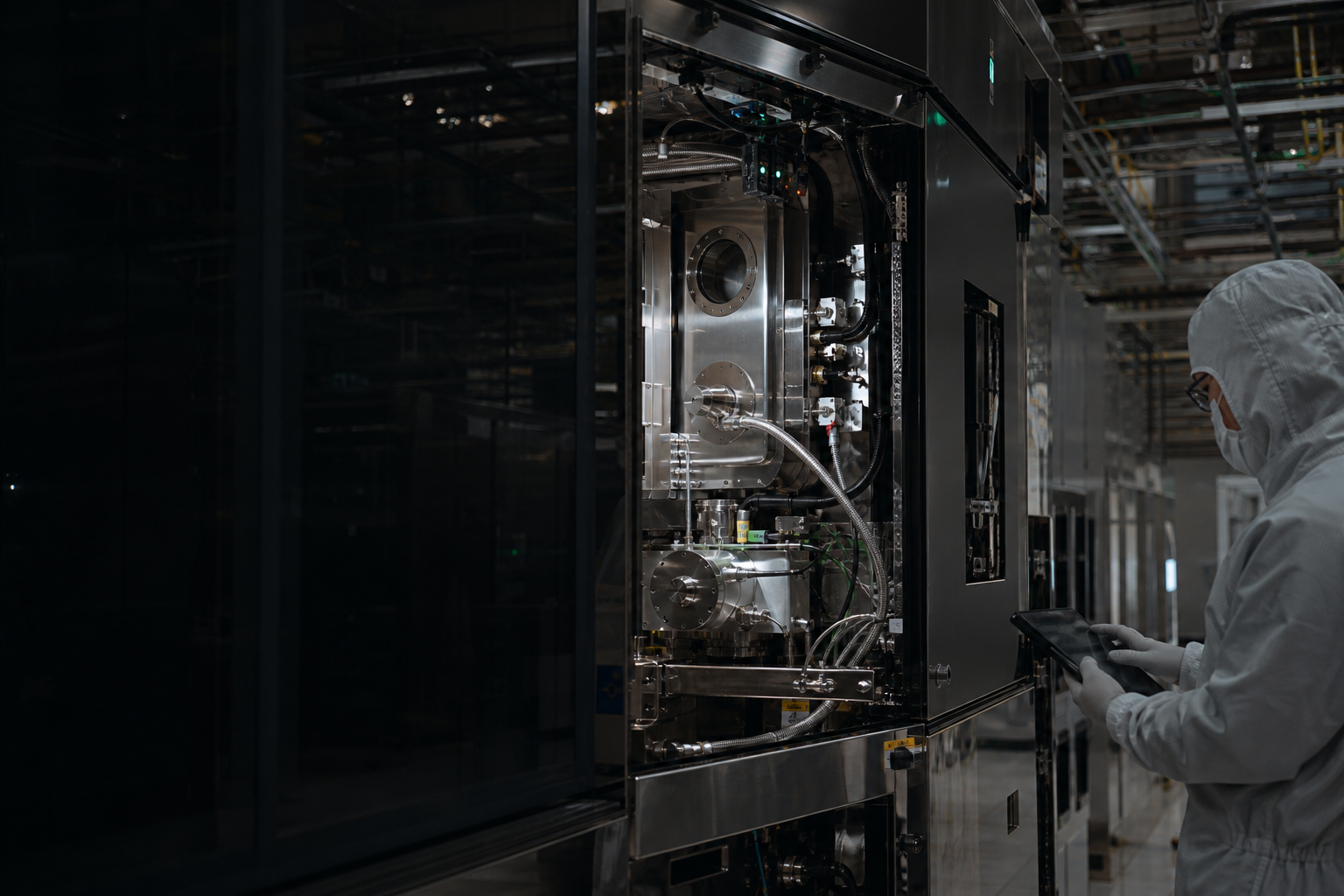
Equipment model, software or firmware revision, alarm state, process conditions and customer environment can all change the diagnosis. When that context is split across systems and people, engineers spend time reconstructing the case before they can isolate the problem.
Emails, service tickets, alarms, logs, manuals, SOPs and prior cases are spread across systems, product lines and individual owners.
The same symptom can point to different causes depending on equipment model, revision, customer environment and prior actions, making troubleshooting heavily dependent on senior engineers.
Before making a technical call, engineers often have to request missing details, locate attachments, cross-check specifications and coordinate with R&D, quality or field teams.
If the confirmed root cause, effective action and engineer corrections are not captured, the next FAE may repeat the same investigation.
FAE Twin structures service work into six stages: case intake, context clarification, evidence retrieval, diagnosis, action and response, then knowledge capture. Each stage keeps the source, owner and engineer approval point visible.
Capture email, service tickets, images, logs, alarms or customer problem descriptions in a traceable case record.
Keep the original source and identify the equipment, customer and case context so every later step starts from the same record.
Start with a high-frequency service workflow that has clear inputs and outputs. Each use case has different data requirements, deliverables and engineering responsibilities; these are entry points, not four steps in one process.
For high-volume work such as email, service tickets and remote technical inquiries. FAE Twin organizes the case and drafts the response; engineers confirm the technical conclusion.
It brings approved enterprise knowledge, case context, models and AI agents into defined permissions and human approval gates, so sources, engineer corrections and downstream actions remain traceable.
Learn more: Profet AI Domain Twin™ architecture
Email, service tickets, CRM, product documents, SOPs, alarms, logs, past cases and equipment records.
Enterprise knowledge, case context, models, AI agents, permissions and traceable citations in one service workspace.
Engineer review, customer response, field action, system write-back and follow-up.
Align on product scope, engineer responsibility, data readiness and the PoC starting point before choosing the first service workflow.
FAE Twin applies Domain Twin™ to equipment field service. It connects equipment context, service cases, alarms, logs, technical documents and prior resolutions so FAEs and field service teams can prepare traceable troubleshooting guidance, customer responses and service records.
No. FAE Twin can organize cases, retrieve evidence and prepare troubleshooting or response drafts. Equipment-safety actions, parameter changes, equipment shutdowns, parts replacement, final technical decisions and formal customer commitments remain subject to approval by authorized engineers.
Start with one real service case and bring the service ticket, alarm or log data, relevant SOPs, prior cases and the expected output. From there, define data readiness, approval gates, system connections and acceptance criteria.
No. Predictive maintenance support is an advanced scenario. Feasibility depends on the availability and quality of IoT, alarm, EAP, MES, sensor and historical equipment data, as well as existing data governance and system integration.

Bring a service ticket, alarm or log data, relevant SOPs, prior cases and the expected output. We can then define the data requirements, engineer approval points, system connections and a realistic validation scope.
After reviewing your request, our team will follow up with a practical PoC scope.